

Research Report on the Development of AI-Enabled XR Smart Glasses Industry
I. Industry Overview and Definition of Core Concepts
(I) Analysis of Concept System
Extended Reality (XR), an integrated technological concept encompassing Virtual Reality (VR), Augmented Reality (AR), and Mixed Reality (MR), creates an interactive space that merges computer-generated content with the real environment, breaking through traditional visual experiences. Specifically:
- Virtual Reality (VR): Constructs a fully virtual environment via a closed optical system, featuring immersive experiences with head-mounted displays as the primary device form.
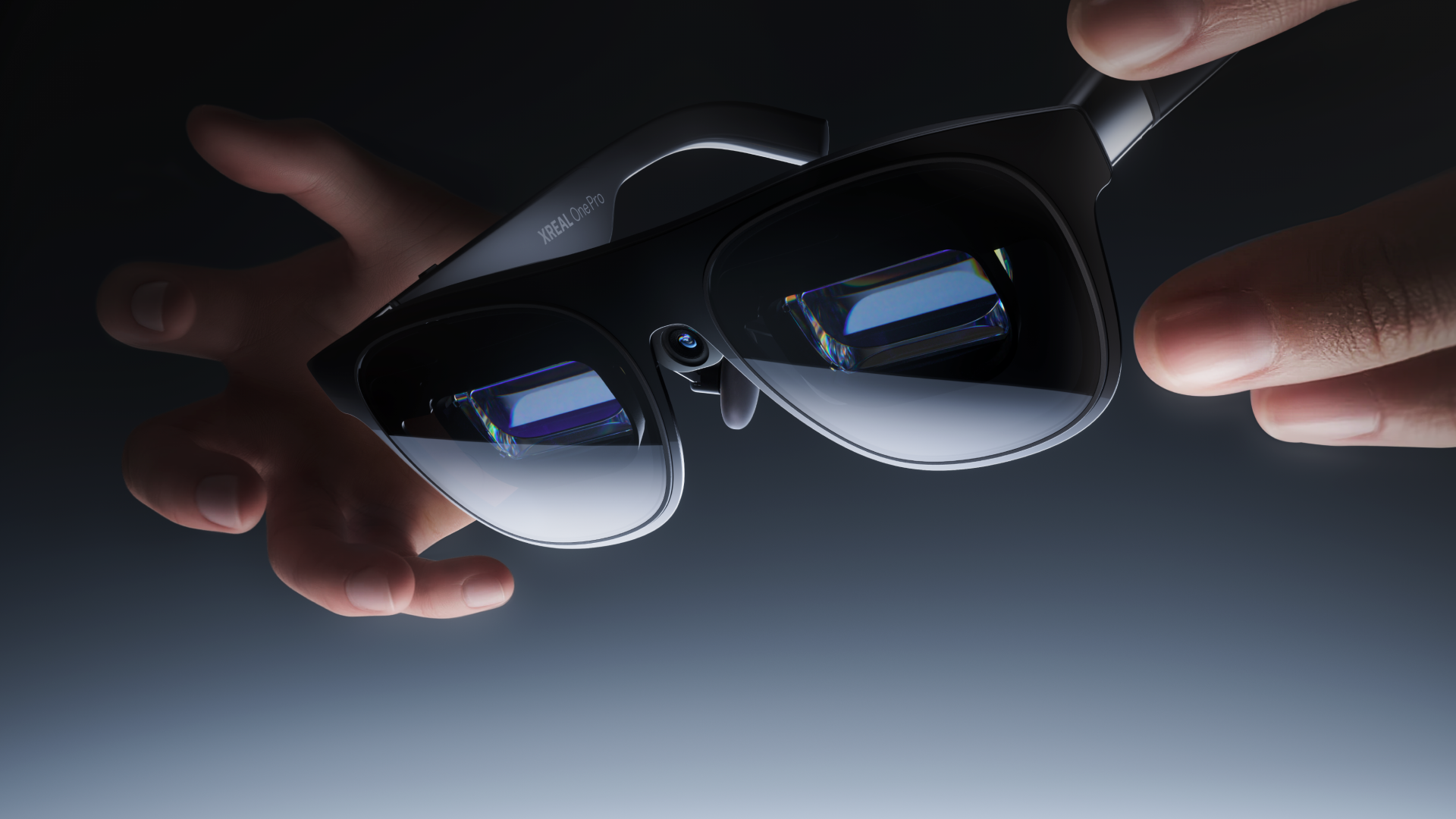
- Augmented Reality (AR): Overlays virtual information onto real scenes through transparent optical modules, mainly in the form of lightweight glasses.
- Mixed Reality (MR): Combines VR’s immersion with AR’s real-world interactivity, enabling physical collision simulation between virtual objects and the real environment, relying on high-precision spatial positioning technology.
- Core of AI Empowerment: Optimizes XR devices’ environmental perception, interactive response, and content generation capabilities through computer vision, natural language processing, and edge-side large models—key to upgrading XR from a tool to an intelligent terminal.
(II) Characteristics of Industrial Development Stages
Currently, the XR smart glasses industry is in the intersection of an accelerated technology iteration period and a market cultivation period. Hardware has evolved from single-function to multi-modal, software has transitioned from isolated applications to ecological layout, and in-depth AI penetration is driving the industry’s shift from “display tool” to “intelligent interaction portal.” Global XR device shipments reached 7.31 million units in 2024, a year-on-year decrease of 10.3%, but the density of technological innovation and the speed of application scenario expansion have increased significantly, laying the foundation for market recovery in 2025
II. Development Status of Global and Chinese Markets
(I) Market Scale and Structural Analysis
1.Global Market Pattern
In 2024, global XR device shipments hit 7.31 million units, with VR/MR devices accounting for 89.3% (6.528 million units) and AR devices 10.7% (782,000 units), presenting a “VR-dominated, AR-growing” structure. Geographically, North America and East Asia are core markets; China, leveraging supply chain advantages and policy support, has become a key driver of global XR industry growth. In terms of technical routes, the proportion of MR devices has increased significantly—among 17 newly released XR headsets worldwide in 2024, 8 were full-color passthrough MR products, accounting for 50%.
1.Chinese Market Characteristics
In 2024, sales of consumer XR devices in China reached 536,000 units, a year-on-year decrease of 12.5%, with sales revenue of 1.71 billion yuan, a year-on-year decrease of 10.1%. Short-term fluctuations are mainly affected by the economic environment and product iteration cycles. The segmented market shows differentiated characteristics:
- The AR market grew against the trend, with retail sales of nearly 300,000 units, a year-on-year increase of 32.1%.
- The VR market experienced a phased decline, with sales of 269,000 units, a year-on-year decrease of 34.4%.
- In terms of price structure, products in the 2,000-4,000 yuan range accounted for 48.1%, becoming the mainstream consumer segment; the high-end market above 4,000 yuan is dominated by Apple, Meta, etc., accounting for 17.3%.

(II) Competitive Pattern and Leading Players’ Strategies
1.Layout of International Brands
- Meta maintains its position as a global VR/MR giant, covering the mid-to-low-end market with the $299 Quest 3S while seizing the high-end segment with the Quest Pro series. Equipped with the Snapdragon XR2 Gen2 chip, its products support full-color passthrough and multi-modal interaction, becoming the best-selling game console category on Amazon US.
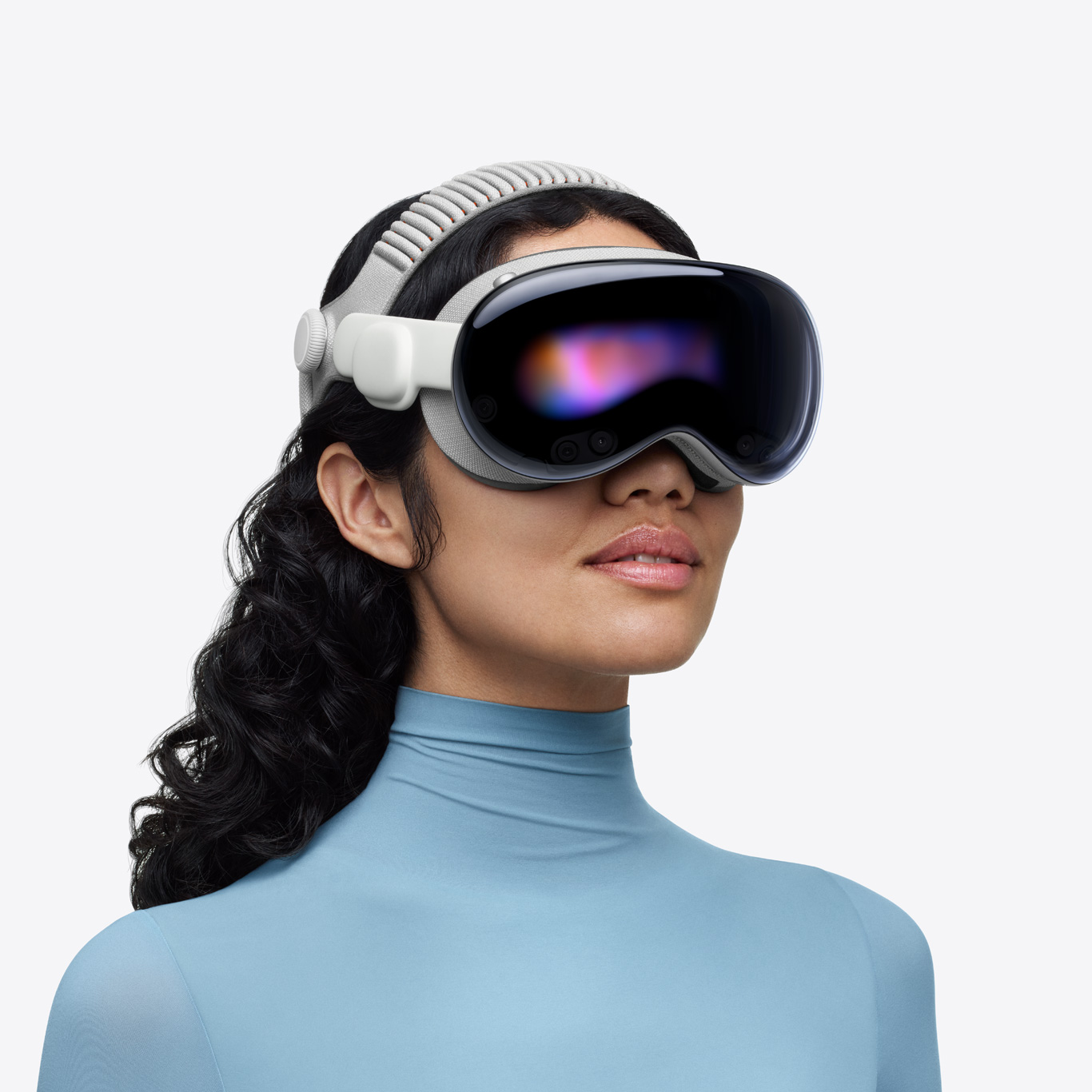
- Apple Vision Pro has reshaped high-end market standards with its M2+R1 chip combination, 4K per-eye Micro-OLED display, and precise hand-eye interaction algorithms. Although sales did not meet expectations, it has driven the entire industry’s technological upgrading in optics, interaction, and ecosystem construction.
- Sony focuses on the professional market, with its new XR headsets enhancing 3D spatial video shooting capabilities, targeting film production and content creation fields.
2.Competitive Landscape of Chinese Brands
- High concentration of leading players: The top five brands (including Thunderbird Innovation, XREAL, and Starlink Meizu) occupy 94.6% of China’s online AR market share, with Thunderbird Innovation leading at 35.6% and XREAL following closely at 29.6%.
- PICO holds a near-monopoly in China’s VR market, accounting for nearly 70% of the share. The PICO 4 Ultra MR all-in-one machine launched in 2024, equipped with dual 32-megapixel cameras and the Snapdragon XR2 Gen2 chip, marks its transition from “scale expansion” to “quality improvement.”
- Cross-industry players are accelerating entry: Huawei and Xiaomi, leveraging ecological synergy advantages, are deploying in the mid-to-high-end market and plan to achieve multi-device interconnection through HarmonyOS and Android XR systems.
III. Core Technological Breakthroughs and AI Integration Innovation
(I) Evolution Path of Hardware Technology
1.Display and Optical Technology
- Display technology shows a “high-definition + miniaturization” trend: Pimax Crystal Super achieves 8K resolution for both eyes, with a Pixels Per Degree (PPD) of 57 (reaching retinal-level display), adopting a Micro-OLED screen with 3,882 PPI and 92% DCI-P3 color gamut coverage; Aoxue Vision Max is equipped with a 3,882 PPI Micro-OLED display, with 27 million pixels for both eyes and support for 90Hz refresh rate.
- Optical solutions develop in a differentiated way: Pancake folded optical path technology has become mainstream; Aoxue Vision series adopts a 3P Pancake design, improving lightweight performance and impact resistance through new resin materials; Fresnel lenses are still widely used in mid-to-low-end VR devices, with products like Quest 3S reducing image distortion through optimized optical coating.
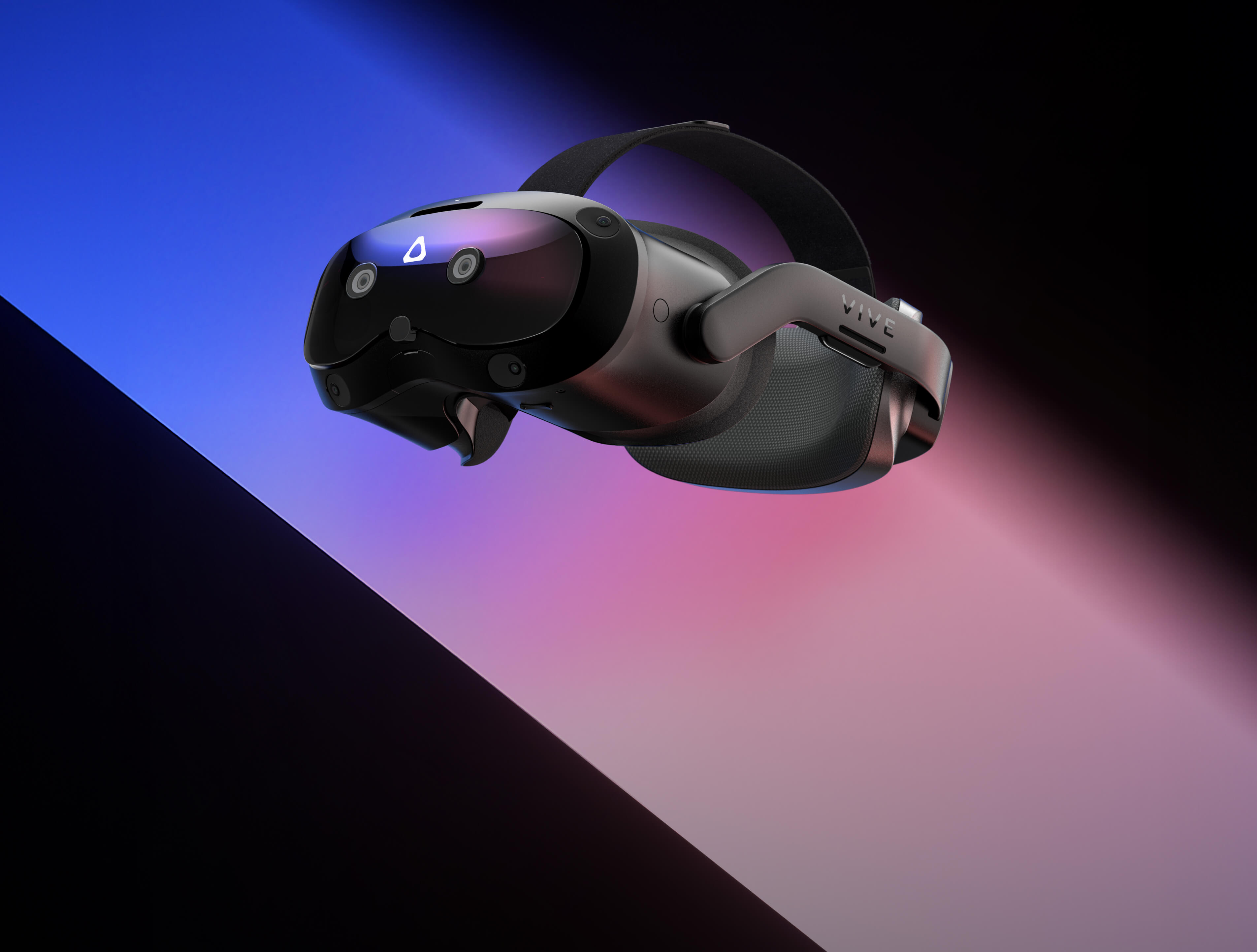
- Breakthroughs in passthrough technology: Full-color Video See-Through (VST) has become a standard feature for MR devices; products such as PICO 4 Ultra and HTC VIVE Focus Vision are equipped with dual 32-megapixel cameras, combined with depth sensors to achieve millimeter-level environmental modeling.
2.Chip and Computing Power Support
The consumer market has formed a chip pattern of “Qualcomm-led, self-developed supplementary”: The Snapdragon XR2 Gen2 chip has become a standard for mid-to-high-end devices, supporting multi-window rendering and high-resolution display; high-end models like WanChuMengxiang MR adopt the Snapdragon XR2+ Gen2 chip to provide computing power for 4K per-eye display. Storage configurations generally start from 8GB RAM, with models like PICO 4 Ultra reaching 12GB+256GB to meet the needs of AI algorithms and multi-tasking.
(II) AI-Driven Interaction and Ecosystem Innovation
1.Upgrading of Interactive Experience
- Maturity of multi-modal interaction: Collaborative interaction integrating gesture recognition, eye tracking, and voice control has become mainstream; NOLO SONIC 2 Pro’s gesture tracking positioning accuracy reaches 10mm, with jitter less than 2mm RMS, supporting operation tracking when both hands are naturally lowered.
- Launch of controller-free interaction: Lightweight interaction solutions led by Meta and Apple have become popular, enabling seamless switching between VR and AR through capacitive touch and scene recognition technology.
- Edge-side AI optimization: Local deployment of large models such as GPT-4 Turbo reduces response latency to less than 200ms, supporting functions like real-time translation and scene interpretation in offline mode.

2.Construction of Content Ecosystem
- Accelerated platform-based operations: PICO Store aggregates over 3,000 applications covering games, film, fitness, etc.; Apple VisionOS achieves rapid ecosystem expansion by being compatible with iOS applications.
- Innovation in content forms: 3D spatial imaging has become a new hotspot; spatial video shooting technology promoted by Apple Vision Pro, combined with 3D camera functions of mobile terminals like iPhone, forms a “shooting-display” content closed loop.
- Outbreak of industry-specific content: The number of VR large-space projects has surged; social science projects such as 10,000 Years of Civilization realize immersive historical scene experiences, becoming typical cases of cultural and technological integration.
IV. Industrial Chain Composition and Value Distribution
(I) Upstream Core Components and Technology Supply
1.Key Hardware Links
- Display modules: Micro-OLED has become a high-end standard; domestic manufacturers have achieved mass production of large-size panels, driving pixel density from 2,000 PPI to 4,000 PPI.
- Optical devices: Pancake lenses have formed 3P/4P technical routes; enterprises like Nade Optics reduce costs and weight through resin material innovation; waveguide technology is widely used in AR glasses to improve light transmittance and display clarity.
- Sensors: Dual RGB cameras and iToF depth sensors have become standard for MR devices; the number of sensors per device generally reaches 7-11, supporting environmental perception and spatial positioning.
- Chips: Qualcomm dominates the consumer XR chip market; enterprises like Huawei and Rockchip are accelerating the layout of self-developed chips, focusing on low power consumption and AI computing power optimization.
2.Software and Algorithm Support
Operating systems show diversified competition: Google’s Android XR system enters the market to reshape the ecological pattern; Apple’s visionOS focuses on spatial computing experience; Huawei’s HarmonyOS XR system strengthens cross-device collaboration. In the field of AI algorithms, computer vision enterprises focus on SLAM positioning and gesture recognition optimization, while edge-side large model manufacturers provide lightweight inference solutions.
(II) Midstream Equipment Manufacturing and Brand Operation
1.Manufacturing System
A production model of “professional OEM + brand self-development” has been formed: Goertek and Luxshare Precision undertake complete machine assembly for brands like Meta and PICO, with automated production lines and quality control systems; leading brands like Apple and Huawei have established their own core component R&D teams, controlling key links such as optics and interaction algorithms.
2.Brand Hierarchical Competition
- High-end market: Apple Vision Pro and Meta Quest Pro series, priced above $4,000, focusing on technological innovation and ecological experience.
- Mid-end market: PICO 4 Ultra, Thunderbird Innovation Air 2, etc., priced at 2,000-4,000 yuan, balancing performance and cost-effectiveness.
- Entry-level market: Quest 3S, Xiaomi XR Glasses Youth Edition, priced below 2,000 yuan, focusing on popularizing basic entertainment functions.
(III) Downstream Application Scenarios and Demand Release
1.Consumer Scenarios
- Entertainment and audio-visual: VR headsets dominate immersive viewing and gaming; AR brands like XREAL focus on portable giant screen experiences.
- Sports and health: Motion capture technology enables virtual fitness guidance; users of fitness applications on the Meta Quest series have an average daily usage time of over 1.5 hours.
- Lightweight office: MR devices support multi-window display and virtual meetings, becoming a new tool for remote collaboration.
2.Industry-Specific Scenarios
- Culture and heritage: Beijing, Zhuhai, and other cities promote “digital cultural context” projects, using 3R (VR/AR/MR) technology to build digital museums.
- Industrial manufacturing: AR glasses assist in equipment maintenance and assembly guidance, reducing fault handling time by more than 30%.
- Public services: Hangzhou Traffic Police use AR glasses to achieve rapid vehicle verification, increasing hourly processing capacity by 87.5%.
- Education and training: VR large-space projects are used for historical scene restoration and scientific experiment simulation, enhancing immersive learning effects.
V. Policy Environment and Industrial Driving Factors
(I) Policy Support System
Many regions in China have issued special policies to promote the development of the XR industry: Beijing clearly supports 3R technology for cultural relic protection and digital museum construction in the Three-Year Action Plan for the Innovative Development of Public Cultural Service System (2024-2026); Zhuhai has launched an open policy for innovative application scenarios, encouraging the implementation of XR technology in smart manufacturing, cultural tourism, and other fields. At the national level, XR has been included in the “14th Five-Year Plan” for digital economy development, providing support from multiple dimensions such as technology R&D, standard setting, and application demonstration.
(II) Core Driving Forces
1.Driven by Technological Iteration: Breakthroughs in Micro-OLED display, Pancake optics, and edge-side AI chips have reduced device weight by 40%, increased display clarity by 3x, and accelerated interactive response speed to less than 200ms.
2.Driven by Capital Investment: In 2024, there were 124 financing and M&A transactions in China’s XR field, with an amount of 18.19 billion yuan, increasing by 130% and 788% year-on-year respectively. Capital focuses on core links such as optical devices and AI interaction.
3.Driven by Demand Upgrading: Growing consumer demand for immersive entertainment and lightweight office, combined with the urgent need for digital transformation in industries, together form the foundation for market expansion.
4.Driven by Ecological Collaboration: Cross-industry cooperation between mobile phone manufacturers and XR brands (e.g., vivo and XREAL) and in-depth binding between content platforms and hardware manufacturers have accelerated the formation of an ecological closed loop of “hardware + content + services.”
VI. Challenges and Constraints
(I) Technical Bottlenecks
1.Hardware Performance Shortcomings: The battery life of mainstream consumer devices is generally only 4-6 hours; most AR glasses weigh over 80g, resulting in insufficient comfort for long-term wear; the production capacity of high-end Micro-OLED panels is limited, keeping device costs high.
2.Interaction Experience Defects: The accuracy of gesture recognition is less than 85% in complex environments; eye tracking technology is difficult to popularize due to cost issues; the stability of cross-scenario spatial positioning needs improvement, and AR display effects attenuate significantly in strong light.
3.Insufficient AI Adaptation: Edge-side large model compression technology is not yet mature; most devices rely on cloud computing power, limiting intelligent experiences in offline scenarios.
(II) Market and Ecosystem Issues
1.Shortage of Content Supply: The number of high-quality exclusive content is insufficient; most consumer applications are ported from mobile applications, lacking native development for XR interaction characteristics; industry-specific applications have high customization requirements, making large-scale replication difficult.
2.High Price Threshold: High-end MR devices are priced above 30,000 yuan; mainstream consumer products are in the 2,000-4,000 yuan range, exceeding the expectations of mass consumers.
3.Severe Ecosystem Fragmentation: Operating systems are incompatible; applications cannot be interconnected between platforms such as Android XR, visionOS, and HarmonyOS XR, restricting the continuity of user experience.
(III) Policy and Security Risks
Privacy protection regulations are not yet complete; the multi-camera and sensor arrays of XR devices pose risks of data collection; industry standards are not unified, and key indicators such as optical performance and interaction latency lack uniform specifications, affecting product quality improvement. Currently, only departments such as China’s Ministry of Industry and Information Technology have issued relevant quality improvement guidelines, and the global compliance system is still under construction.
VII. Future Trends and Development Forecasts
(I) Directions of Technological Evolution
1.Hardware Optimization: From 2025 to 2027, AR glasses will weigh less than 50g, and VR device battery life will be extended to over 8 hours; Micro-OLED display will achieve a breakthrough of 5,000 PPI, with a PPD value of 60, fully matching the human eye’s resolution limit.
2.In-depth AI Integration: Edge-side large models will achieve lightweight deployment of 10 billion parameters, supporting real-time scene understanding and content generation; the accuracy of multi-modal interaction will exceed 95%, enabling direct “mind-device” control.
3.Optical Innovation: Holographic optics and diffractive waveguide technology will be maturely applied; AR glasses will achieve retinal-level display and zero-distortion passthrough.
4.Connection Technology Upgrading: The popularization of Wi-Fi 7 and 5G-A technology will realize low-latency data transmission between multiple devices, supporting seamless connection between cloud computing power and edge-side experience.
(II) Market Development Forecasts
1.Rapid Scale Growth: Lotoo Technology predicts that China’s consumer XR market sales will reach 772,000 units in 2025, a year-on-year increase of 44%, including 452,000 AR devices (+72%) and 320,000 VR devices (+19.9%); TrendForce forecasts that global VR/MR device shipments will reach 37.3 million units by 2030, with a CAGR of 23% from 2023 to 2030.
2.Continuous Structural Optimization: The proportion of AR devices will increase from 10.7% in 2024 to over 30% in 2027; MR devices will become mainstream in the high-end market; the price center will gradually decline, and products in the 2,000-4,000 yuan range will account for more than 60%.
3.Changes in Regional Pattern: Leveraging supply chain advantages and policy support, China will become the world’s largest production base and consumer market for XR devices; the market share of domestic brands will exceed 75% in 2025.
(III) Expansion of Application Scenarios
The consumer side will form a usage model of “daily wearing + scenario activation”; AR glasses will become an extended screen of smartphones, and VR devices will focus on home immersive entertainment. The industry side will achieve a leap from “point-like pilot” to “large-scale application,” with penetration rates exceeding 15% in industries such as manufacturing, healthcare, and education. Particularly in the cultural field, VR large-space projects will form standardized solutions, becoming standard facilities in museums and science and technology museums.
VIII. Strategic Recommendations
(I) Enterprise-Level Strategies
1.Focus on Technology R&D: Hardware enterprises should focus on breaking through Micro-OLED mass production technology and Pancake lightweight solutions; software enterprises need to strengthen edge-side AI algorithms and native content development.
2.Ecosystem Collaboration Construction: Promote the open-source of operating systems and cross-platform compatibility of applications; establish a collaborative innovation alliance of “hardware manufacturers + content developers + industry customers.”
3.Price Gradient Layout: Focus on technological innovation in the high-end market, prioritize cost-effectiveness in the mid-end market, and achieve price reduction in the entry-level market through simplified functions to cover different user groups.
4.Precise Scenario Cultivation: Strengthen the experience of entertainment and office scenarios on the consumer side; develop customized solutions for specific fields on the industry side to form differentiated competitive advantages.
(II) Policy and Industry-Level Recommendations
1.Standard System Construction: Accelerate the formulation of national standards for key indicators such as optical performance, interaction latency, and data security; promote alignment with international standards.
2.Innovation Ecosystem Cultivation: Establish a special fund for the XR industry to support core technology R&D and native content creation; build a national-level XR technology innovation platform.
3.Application Scenario Demonstration: Launch pilot projects in cultural tourism, education, manufacturing, and other fields; summarize replicable application models and promote them.
4.Strengthening Talent Cultivation: Promote universities to set up XR-related majors to cultivate compound talents in optical engineering, AI algorithms, and content design.
IX. Conclusion
The AI-enabled XR smart glasses industry is experiencing a critical transition from technology accumulation to market explosion. The 2024 market adjustment has laid a technical and ecological foundation for the industry. With the maturity of core technologies such as Micro-OLED, Pancake, and edge-side large models, as well as continuous policy support and capital investment, XR smart glasses will gradually break through current technical bottlenecks and price thresholds. It is expected that by 2030, XR smart glasses will form a market pattern of “AR for daily use, VR for scenarios, and MR for high-end,” becoming the next-generation intelligent interaction terminal after smartphones.
Enterprises need to focus on technological innovation as the core, ecosystem construction as the support, and scenario demand as the guide, and continue to make breakthroughs in hardware lightweight, natural interaction, and native content. At the policy level, it is necessary to strengthen standard guidance and ecosystem cultivation, jointly promoting the XR smart glasses industry to transform from a “technological hotspot” to an “economic growth point,” and facilitating the in-depth integration of the digital economy and the real economy.