

The Future of Vision: Exploring the World of AI Glasses, Smart Eyewear, and Ray-Ban Innovation

What Are AI Glasses? The Next Evolution in Wearable Tech
At their core, AI glasses are wearable devices that integrate artificial intelligence to enhance everyday experiences. These are not your regular eyeglasses or sunglasses — they’re smart glasses equipped with features such as:
Built-in cameras for capturing photos and videos
Microphones and speakers for voice commands and calls
Displays for augmented reality (AR) overlays
Connectivity via Bluetooth to smartphones
On-device or cloud-based AI assistants for real-time information, translation, navigation, and more
When people search for terms like “what are AI glasses” or “what are smart glasses”, they’re usually looking for devices that can do more than just correct vision. They want glasses that can record, translate, notify, and even augment reality — all while looking stylish.
Meta Ray-Ban Smart Glasses: A Perfect Blend of Style and Tech
One of the most popular entries in the smart glasses market is the Meta Ray-Ban, also referred to as Ray-Ban Meta Glasses, Ray-Ban Meta AI Glasses, or simply Ray-Bans with Meta. These glasses merge Ray-Ban’s iconic eyewear design with Meta’s advanced AI and camera technologies.
Key Features of Meta Ray-Ban Smart Glasses:
Built-in cameras (front and side) for capturing life’s moments hands-free
AI voice assistant powered by Meta’s technology (similar to Alexa or Siri)
Real-time audio transcription and live translation
Photo and video capture with simple voice commands like “Hey Meta, take a photo”
Bluetooth connectivity to stream music or take calls from your smartphone
Optional prescription lenses and stylish frames like Wayfarer
Onboard display for notifications (in some models)
These features have made devices like the Ray-Ban Meta Smart Glasses, Ray Ban Meta AI Glasses, and Ray-Ban Meta Display some of the most sought-after smart glasses with camera on the market.
Why Are People Obsessed with Meta AI Glasses?
Searches for “meta ai glasses price”, “meta glasses features”, and “new meta glasses” have surged, reflecting growing consumer interest. So, what’s driving this fascination?
1.Seamless Integration of Fashion and Technology
Unlike bulky AR glasses or smart goggles, Meta Ray-Bans look like normal sunglasses or eyeglasses. This makes them socially acceptable and highly appealing for daily use.
2.Hands-Free AI Convenience
With features like voice control, real-time transcription, and smart notifications, these glasses act like a personal AI assistant you wear on your face.
3.Discreet Recording and Sharing
The ability to capture photos and videos without pulling out your phone has made models like the Ray-Ban Recording Glasses popular among content creators and tech enthusiasts.
4.Augmented Reality & Future Potential
While current models focus more on mixed media and AI assistance, future iterations of Meta glasses (possibly under projects like “Even Realities”) are expected to include full AR capabilities, turning them into true AR glasses or XR glasses.
Other Players in the Smart Glasses Market
While Meta Ray-Ban leads the conversation, it’s not the only name in the game. Here are other notable mentions often searched alongside terms like “ai glasses brands”, “best ai glasses”, and “smart glasses with display”:
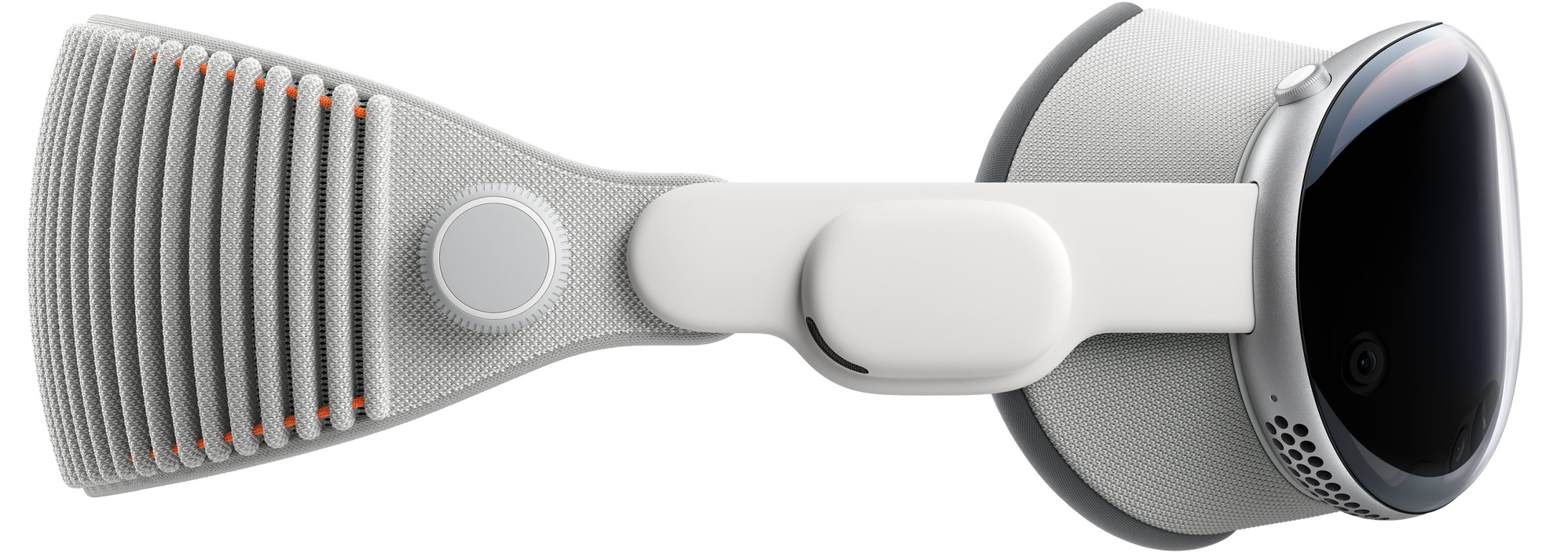
Apple AI Glasses: Highly anticipated, rumored to bring seamless iOS integration and a full AR experience.
Xiaomi AI Glasses / Xiaomi Smart Glasses: Known for affordability and early entries into the smart eyewear market.
Oakley Meta AI Glasses: A performance-oriented version targeting sports and outdoor enthusiasts.
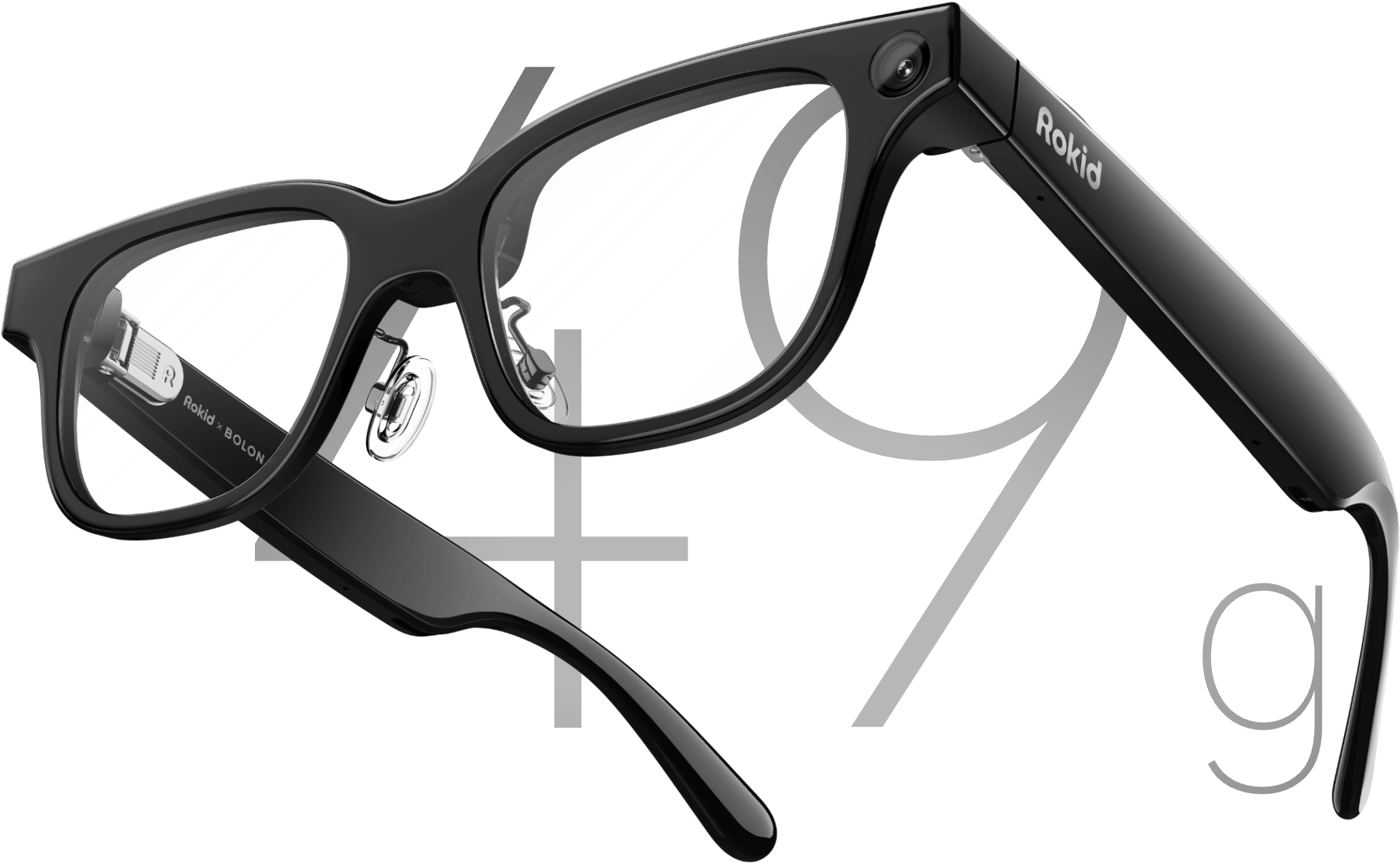
Rokid AI Glasses, Halliday Smart Glasses, and Halliday AI Glasses: Emerging brands focusing on specific use cases like AR workspaces or health tracking.
Google AI Glasses: Although Google Glass didn’t succeed commercially, Google continues to innovate in the AR/VR space.
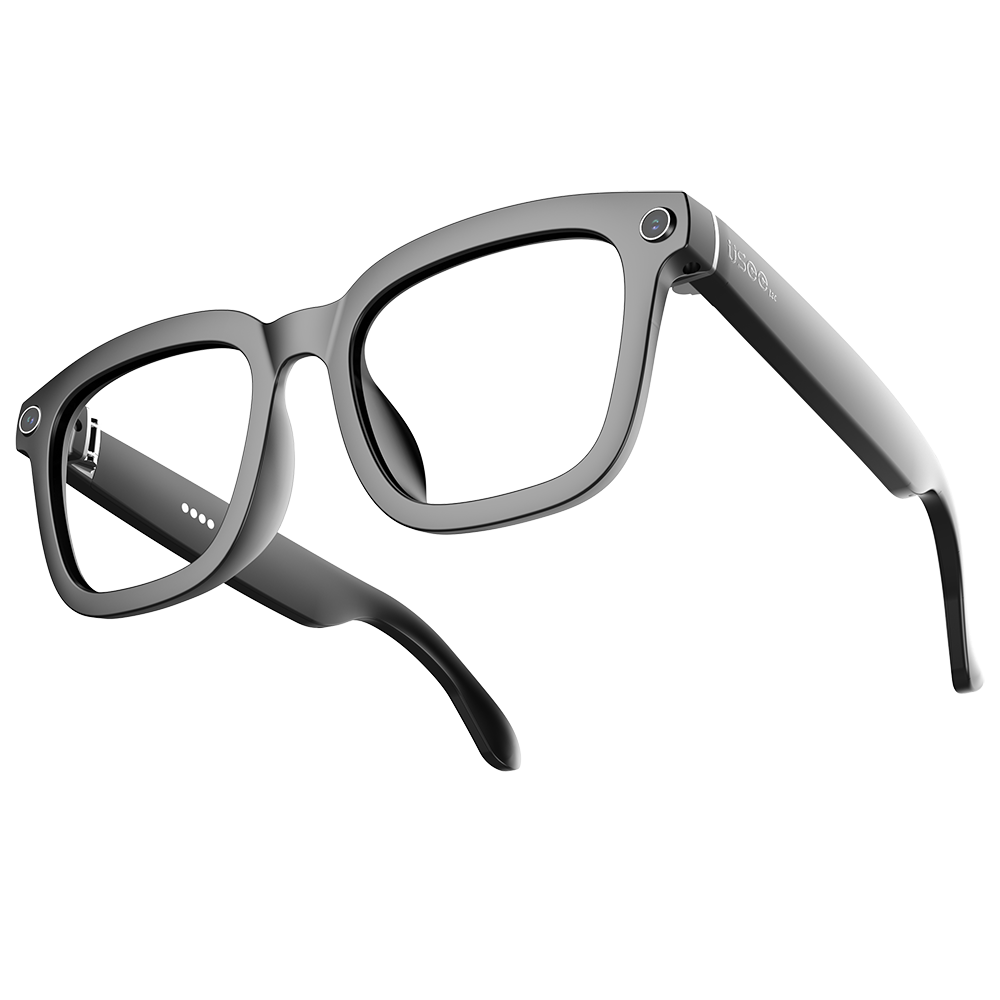
Other relevant searches include “smart sunglasses”, “ai sunglasses”, “glasses with camera”, “video glasses”, and “goggles that record”, showing a clear demand for both style and functionality.

How Much Do Meta AI Glasses Cost? Are They Worth It?
One of the most common queries is “meta ai glasses price” or “how much are meta glasses”. As of the latest updates:
The Meta Ray-Ban Smart Glasses typically range between 299to399 USD, depending on the frame style, lens type, and included features.
Compared to other AI glasses or AR glasses, this is considered relatively affordable, especially given the brand recognition and integrated AI capabilities.
When evaluating whether they’re worth the investment, consider what you value: hands-free AI, discreet recording, smart notifications, or simply a futuristic accessory that turns heads.
The Future: What’s Next for AI and Smart Glasses?
The trajectory of AI glasses points toward even more immersive experiences. With advancements in augmented reality (AR), artificial intelligence, and wearable tech, we can expect:
Full AR overlays via smart glasses with display
Real-time language translation projected onto lenses
Health monitoring features (e.g., heart rate, fatigue alerts)
Improved AI assistants that understand context and environment better
More stylish and customizable frames via tools like framefinder.ai or frame finder
Brands like Meta, Ray-Ban, Oakley, and even Xiaomi are investing heavily in this space, ensuring that the next generation of smart eyeglasses will not only be functional but also fashionable.
Conclusion: Are AI Glasses the Future of Eyewear?
From Ray-Ban Meta AI Glasses to Apple’s rumored AI glasses, the future of smart eyewear is bright — and increasingly accessible. Whether you’re searching for “glasses with camera”, “best smart glasses”, or simply want to try out the “new meta glasses”, there’s never been a more exciting time to explore the intersection of AI, fashion, and functionality.
So, whether you’re an early adopter looking for the latest meta ray ban smart glasses, a tech enthusiast curious about AI glasses meta, or someone who just wants smarter glasses, the options are expanding rapidly. The question isn’t ifyou’ll wear AI glasses in the future — it’s which onesyou’ll choose.
